Primary 1 Tuition That Builds Independence in Young Learners
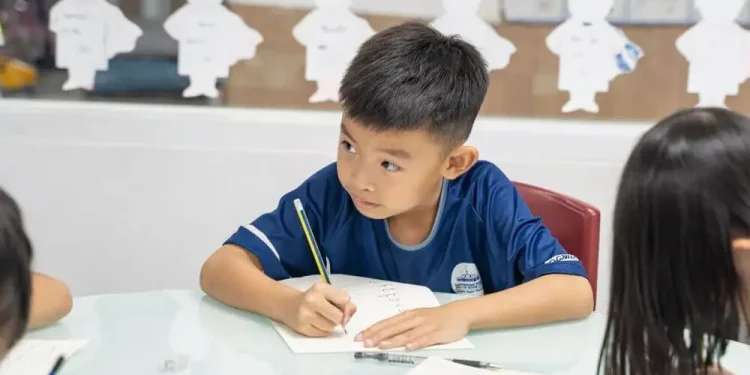
The transition to Primary 1 marks a pivotal moment in a child’s educational journey, where the foundations for lifelong learning habits are established. Effective primary 1 tuition goes beyond academic instruction to nurture essential life skills, with independence being paramount amongst these competencies. When young learners develop autonomy alongside their academic abilities, they become more confident, resilient, and prepared for future educational challenges.
The Foundation Years: Why Independence Matters in Primary 1
Developmental Readiness for Self-Directed Learning
Children entering Primary 1 possess natural curiosity and an inherent desire to explore their world independently. Quality primary 1 tuition recognises this developmental stage and channels this energy into structured learning experiences that promote self-direction. At six years old, children are cognitively ready to make simple decisions about their learning, such as choosing between different activities or selecting materials for a project.
The neurological development of six-year-olds supports their growing capacity for independent thought and action. Their prefrontal cortex, responsible for executive functions like planning and decision-making, is developing rapidly during this period. Primary 1 tuition programmes that acknowledge this developmental window can effectively foster independence by providing age-appropriate choices and responsibilities.
Building Confidence Through Structured Support
Independence flourishes when children feel secure and supported in their learning environment. Effective primary 1 tuition creates a framework where young learners can take risks and make mistakes without fear of failure. This psychological safety net allows children to develop the confidence necessary to tackle challenges independently.
Structured support in primary 1 tuition involves providing clear expectations and consistent routines whilst gradually increasing the level of responsibility given to students. This approach helps children understand boundaries whilst encouraging them to explore within those parameters. The result is a balanced learning environment where independence can develop naturally alongside academic progress.
Core Elements of Independence-Focused Primary 1 Tuition
Encouraging Self-Assessment and Reflection
Teaching young learners to evaluate their own work is a cornerstone of independence-building primary 1 tuition. Simple reflection activities, such as identifying what they found easy or challenging about a task, help children develop metacognitive awareness. This self-awareness is crucial for independent learning as it enables students to recognise their strengths and areas for improvement.
Self-assessment tools designed for Primary 1 students might include visual rating scales or simple checklists that children can complete independently. These tools help young learners develop the vocabulary and framework for thinking about their own learning. Over time, this practice becomes internalised, supporting their ability to monitor and adjust their learning strategies independently.
Problem-Solving Strategies for Young Minds
Independent learners are effective problem-solvers, and primary 1 tuition should explicitly teach problem-solving strategies appropriate for young children. Breaking down complex tasks into smaller, manageable steps helps children approach challenges systematically rather than feeling overwhelmed. This scaffolded approach to problem-solving builds confidence and competence simultaneously.
Teaching children to ask themselves guiding questions when faced with difficulties is another powerful strategy. Questions such as “What do I already know about this?” or “What could I try first?” provide a framework for independent thinking. Primary 1 tuition that incorporates these strategies helps children develop the mental tools they need to tackle challenges without immediately seeking adult assistance.
Time Management Skills for Six-Year-Olds
While time management might seem advanced for Primary 1 students, age-appropriate time awareness is crucial for developing independence. Simple concepts such as understanding how long different activities take or learning to complete tasks within given timeframes are foundational skills. Primary 1 tuition can introduce these concepts through visual timers and structured activity rotations.
Teaching children to estimate how long tasks will take helps them develop planning skills and realistic expectations. This awareness supports independent work habits and reduces anxiety around completing assignments. As children become more adept at managing their time, they gain confidence in their ability to work independently.
Creating a Supportive Learning Environment
The Role of Scaffolded Instruction
Scaffolded instruction is essential in primary 1 tuition for building independence gradually and systematically. This approach involves providing maximum support initially, then gradually reducing assistance as children demonstrate competence. The goal is to reach a point where students can perform tasks independently whilst knowing support is available when needed.
Effective scaffolding in primary 1 tuition might involve modelling a new skill, then guiding children through the process before allowing them to attempt it independently. This progression ensures that children build confidence alongside competence. The temporary nature of the support is crucial, as the ultimate aim is student independence rather than continued dependence on teacher assistance.
Fostering Decision-Making Opportunities
Providing appropriate choices within the learning environment is vital for developing independence in Primary 1 students. These choices might include selecting from different learning activities, choosing materials for projects, or deciding the order in which to complete tasks. Such opportunities help children develop decision-making skills whilst maintaining engagement with their learning.
Primary 1 tuition that incorporates meaningful choices helps children understand that they have agency in their learning journey. This sense of ownership motivates students to take responsibility for their choices and their consequences. Over time, children become more thoughtful decision-makers, considering factors such as their interests, strengths, and the requirements of different tasks.
Balancing Guidance with Autonomy
The most effective primary 1 tuition strikes a delicate balance between providing necessary guidance and allowing for student autonomy. Too much direction can stifle independence, whilst too little support can lead to frustration and disengagement. Skilled tutors adjust their level of involvement based on individual student needs and the complexity of the task at hand.
This balanced approach requires careful observation and responsive teaching. Tutors must recognise when to step back and allow children to struggle productively with challenges, and when to provide additional support. The goal is to create an environment where children feel supported enough to take risks but independent enough to develop their own problem-solving strategies.
Practical Approaches to Developing Independence
Interactive Learning Activities That Promote Self-Reliance
Hands-on learning experiences are particularly effective for building independence in Primary 1 students. Activities that require children to follow multi-step instructions, conduct simple experiments, or create projects encourage self-reliance. These experiences provide opportunities for children to practice following directions independently whilst engaging with academic content.
Primary 1 tuition should incorporate activities that have clear objectives but allow for multiple approaches to achieving those goals. This flexibility encourages creative thinking and helps children understand that there can be different paths to success. When children discover that they can achieve goals through their own efforts and creative thinking, their confidence in independent work grows significantly.
Goal Setting and Achievement Tracking
Teaching Primary 1 students to set simple, achievable goals helps them develop ownership of their learning journey. These goals might be as straightforward as completing a certain number of maths problems or reading for a specific amount of time. The key is ensuring that goals are age-appropriate and achievable, building success and motivation.
Visual tracking systems help young children monitor their progress towards their goals. Charts, stickers, or simple graphs make abstract concepts like progress tangible and rewarding. Primary 1 tuition that incorporates goal-setting and tracking helps children develop the habit of working towards objectives independently, a skill that will serve them throughout their educational journey.
Encouraging Questions and Curiosity
Independent learners are curious learners who aren’t afraid to ask questions and seek answers. Primary 1 tuition should actively encourage questioning and provide children with strategies for finding answers independently. This might involve teaching children how to use picture dictionaries, reference books, or asking them to observe and hypothesise before seeking adult assistance.
Creating a classroom culture where questions are valued and celebrated is crucial for fostering independence. When children feel safe to ask questions and explore ideas, they become more engaged with their learning. This engagement naturally leads to increased independence as children become invested in finding answers and understanding concepts deeply.
Long-Term Benefits of Independence-Centred Tuition
Academic Resilience and Adaptability
Students who develop independence through quality primary 1 tuition demonstrate greater academic resilience throughout their educational journey. They approach challenges with confidence, knowing they have the tools and strategies needed to work through difficulties. This resilience is particularly valuable as academic demands increase in higher primary levels and beyond.
Independence also fosters adaptability, helping students adjust to different teaching styles, learning environments, and academic expectations. Children who have learned to take responsibility for their own learning are better equipped to succeed regardless of external circumstances. This adaptability becomes increasingly important as students progress through different educational settings and face varied challenges.
Preparation for Future Educational Challenges
The independence skills developed through thoughtful primary 1 tuition create a strong foundation for future academic success. Students who have learned to self-assess, set goals, manage their time, and approach problems systematically are well-prepared for the increasing academic demands of higher primary levels. These skills become even more crucial as students transition to secondary education and beyond.
Furthermore, independence-focused primary 1 tuition prepares students for a rapidly changing world where adaptability and self-direction are essential skills. The ability to learn independently, think critically, and take initiative will serve students well not only in their academic pursuits but also in their future careers and personal lives.


