What to Look For in a Kindergarten Curriculum
Every nursery and kindergarten claims to offer a “balanced curriculum”, yet the reality behind that phrase varies enormously from one setting to the next. For parents trying to compare options, it helps to understand what actually sits behind the marketing language, and what genuinely matters for a young child’s development.
Play Based Learning Isn’t A Lack Of Structure
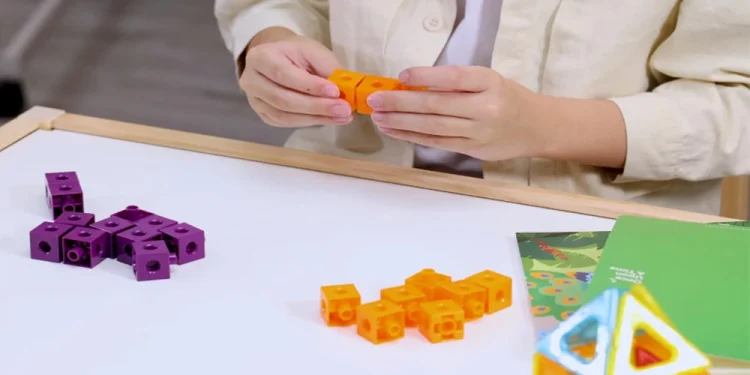
There’s a common misconception that a play based approach means children are simply left to their own devices all day. In practice, good early years practitioners plan carefully around play, using it as the vehicle through which children build language, number sense, social skills and emotional regulation. A well designed activity that looks like simple fun to an outsider is often quietly building several developmental skills at once.
Parents touring a setting should ask staff to explain the thinking behind a particular activity rather than judging purely on how structured or unstructured it appears on the surface. The best answers usually reveal a clear intention behind even the most playful looking sessions.
The Balance Between Individual And Group Learning
Young children need both. Time in a small group builds turn taking, sharing and basic social confidence, while one to one moments with a key worker allow a child’s individual interests and pace to be properly supported. A curriculum too heavily weighted towards group activities can leave quieter or more independent children feeling overlooked, while one with too little group interaction can limit the social skills a child needs before starting school.
How Progress Is Actually Tracked
Most settings will describe some form of observation and assessment, but the detail matters. Parents should ask how often progress is reviewed, how it’s shared with families, and what happens if a gap or concern is identified early. A setting with a genuinely responsive approach will be able to describe specific examples of adjusting support for an individual child, rather than offering only a generic description of their assessment process.
Outdoor Learning Shouldn’t Be An Afterthought
Time outdoors plays a significant role in early years development, supporting everything from gross motor skills to risk awareness and resilience. Settings with limited or token outdoor provision, a small yard used occasionally rather than a properly integrated part of the daily routine, often struggle to offer the same breadth of experience as those where outdoor play is built into everyday planning.
Preparing For The Transition To School
A good curriculum in the final year before school should gently build the foundations needed for a smooth transition, without tipping into overly formal, desk based learning too early. Look for a setting that talks about building independence, following simple instructions, and early literacy and numeracy through engaging, hands on activities rather than worksheets.
Comparing Options Locally
Understanding these details makes it much easier to look past glossy brochures and compare settings on what actually matters. Parents researching options often come across Knightsbridge Kindergarten while comparing local nurseries, alongside the other settings in the surrounding area, weighing up which curriculum approach best suits their child.
Final Thoughts
A strong early years curriculum balances structure with genuine play, individual attention with group learning, and outdoor exploration with early academic foundations. Asking specific questions about how a setting approaches each of these areas, rather than relying on general impressions, tends to reveal far more about what a child’s day will actually look like.


