How to Become a CNA This Summer: A Step-by-Step Guide
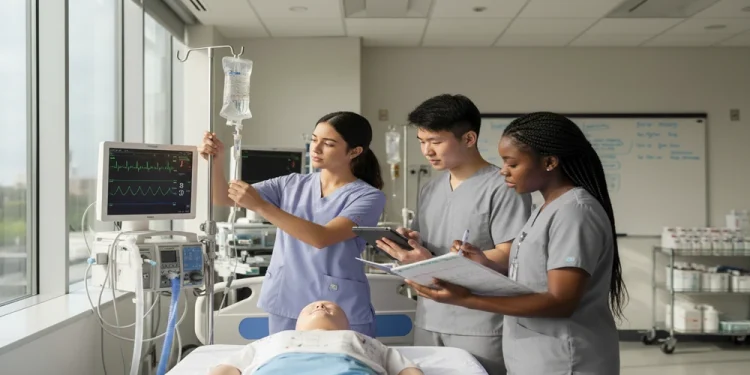
Why Summer Is a Powerful Time to Start Your CNA Journey?
For thousands of people across California, summer becomes the season that reshapes their careers. CNA training is one of the few healthcare programs you can start and complete within a single season, and that window is more valuable than most people realize.
Most career paths ask for years of commitment before you ever see a paycheck. CNA training moves faster. In six weeks, you can go from exploring a career idea to holding a state certification, ready to work in nursing facilities, hospitals, or home health settings across California. Summer makes that timeline practical.
For students on a semester break, it is a way to enter fall with healthcare credentials already in hand. For career changers, it is a structured window to make the leap without dragging it out for months. For anyone who has been considering a move into healthcare, summer is the season where intention becomes action.
The pace of a summer CNA program is part of its strength. Condensed, focused training keeps your momentum high. You learn, you practice, and you build confidence. By the time fall arrives, you are already building your career.
What Is a CNA and Why Does It Matter?
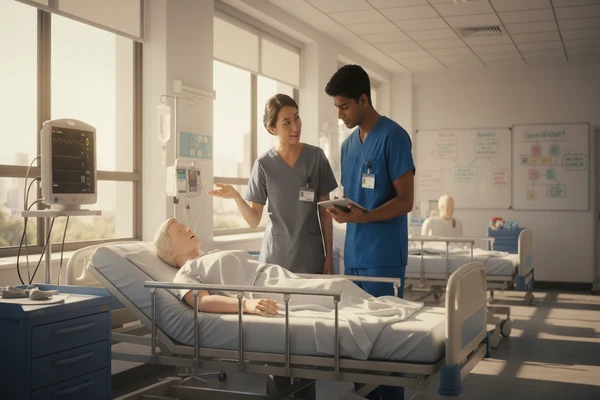
A Certified Nursing Assistant is a trained healthcare professional who delivers direct, hands-on care to patients across many settings. CNAs work at the center of the patient experience and spend more time at the bedside than almost any other member of the care team, which makes them indispensable.
California’s healthcare system faces a well-documented shortage of qualified care workers, and CNAs are among the most actively recruited. Healthcare facilities across the state hire consistently, and certified candidates move quickly from training to employment. It is a role that begins contributing to people’s lives almost immediately and pays off from day one.
Step 1: Decide This Summer Is Your Moment
The first step is a decision, not paperwork. CNA training rewards people who commit fully, and summer gives you a defined window to do exactly that. Set your intention, clear your schedule, and treat this as the beginning of a real healthcare career.
The barrier to entry is lower than most people expect. You do not need a specific degree, years of prior experience, or a lengthy application process. What you need is the drive to show up, engage with the training, and see it through to certification.

Step 2: Enroll in a CNA Program Built Around Your Life
A strong CNA program fits around your life. SisuCare runs a six-week program on a hybrid model designed for working adults and career-focused students.
The theory portion is completed entirely online: 69.12 hours of self-paced learning or 60 hours of instructor-led coursework. You move through the material on your own schedule, whether that means mornings, evenings, or whatever your day allows.
The clinical portion is 104 hours of hands-on training completed in person at a partnered healthcare facility. SisuCare operates clinical sites across California, so you can choose a location that works for you, whether you are in the Bay Area, Los Angeles, Southern California, the Central Valley, or elsewhere in the state.

Step 3: What You Will Learn in a CNA Program
Online Theory: Learn from Home, at Your Pace
The theory phase covers the foundational knowledge of patient care and is completed entirely online. Topics include:
- Basic anatomy and body systems
- Infection control and hygiene protocols
- Patient rights and dignity
- Communication with patients and care teams
- Nutrition, mobility support, and emergency response
Clinical Training: 104 Hours of Hands-On Practice at a Real Facility
After the theory phase, you move into 104 hours of supervised clinical training at one of the partner facilities across California. Under the guidance of experienced instructors, you will practice:
- Taking and recording vital signs
- Assisting with personal care and daily living activities
- Repositioning and transferring patients safely
- Supporting patients in a live care environment
By the end of the program, you will have completed all required clinical hours and built the readiness to walk into your certification exam with confidence.
Step 4: Pass Your California CNA Certification Exam
After completing the program, you will sit for your California CNA state exam, a two-part assessment covering written knowledge and a hands-on clinical skills demonstration. The training is structured to prepare you for both components throughout the program.
The online theory phase builds your knowledge foundation. The clinical phase builds the procedural competence required for the skills demonstration. Students who stay engaged across both phases arrive at the exam having already practiced what they will be evaluated on, and that preparation shows.
Step 5: Step Into Your Career in Healthcare
Once you pass your exam and are listed on the California CNA registry, you are cleared to work. The opportunities across the state are substantial. CNAs are actively sought by hospitals, skilled nursing facilities, assisted living communities, home health agencies, and rehabilitation centers throughout California.
Entry-level CNA roles in California are competitive. Many positions offer strong starting wages, with evening, night, and weekend differentials that increase earning potential further. Many facilities also offer benefits and tuition support for CNAs who want to keep advancing in their healthcare career.
Beyond compensation, you will be doing work that matters, work that places you at the center of someone’s care on their most vulnerable days.
After you complete the program, the SisuCare team provides placement assistance to help you connect with facilities that fit your goals and location. This is supportive career guidance, a bridge between your certification and your first role. It is not a placement guarantee.
Where Can a CNA Certification Take You?
Your CNA certification is a starting point. The clinical experience, patient interaction, and medical foundation you build as a CNA create a runway for wherever you want to go in healthcare.
Many CNAs go on to become Licensed Practical Nurses (LPNs), Registered Nurses (RNs), Medical Assistants, or pursue specialized roles in home health, rehabilitation, or hospice care. The real-world clinical experience you build makes each of those paths more attainable.
Starting this summer means that by fall, you have already stepped into a CNA career.
Start Your CNA Journey with SisuCare This Summer
SisuCare’s hybrid structure combines online theory with In-person clinical locations across California, designed to remove the logistical barriers that hold most people back. Wherever you are in the state, and whatever your schedule looks like, there is a path forward.
Frequently Asked Questions
Do I need prior healthcare experience to enroll?
No prior healthcare experience is required. The program is designed for students entering the field for the first time, with structured coursework that builds their knowledge and clinical skills from the ground up.
Can I complete CNA training while working or managing other responsibilities?
Yes. The online theory portion is self-paced, so you can complete coursework around your existing schedule. The clinical training is scheduled at a SisuCare partner facility near you, and the team will help you find cohort timing that fits.
What is the California CNA certification exam like?
The California CNA competency exam has two parts: a written knowledge assessment and a hands-on clinical skills demonstration. SisuCare’s program prepares you for both components throughout your training. To know more about the California state exam requirements, click here
What can I do with a CNA certification in California?
A California CNA certification qualifies you to work in hospitals, skilled nursing facilities, assisted living communities, home health agencies, and rehabilitation centers. It is also a recognized foundation for further healthcare career advancement, including LPN, RN, and specialized nursing pathways.